THE NOT KNOWING

i don’t know
That is okay
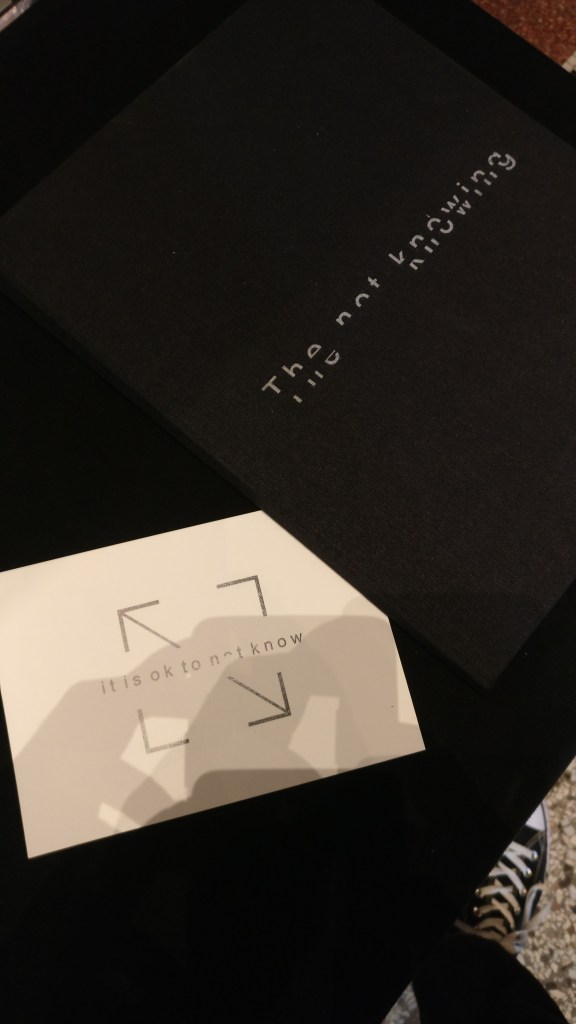
It is ok to not know
A mango is a mango, but the thought of a mango is a thought and the image of a mango is an image. Take away all the thoughts and images and the mango still exist. So, the thoughts and images are not the same as a real mango. They can illustrate or refer to those objects. The same is true of something intangible, like principle. The thought of gravity is not the same as gravity. And the same is true of a self. The thought of a self is not the same as a self-or is it?
Being willing to not know means I have to take a step to surrender all that I think I know, and all that I believe is true. When I open in this way, I create a space to experience what is actually true, and from there on, anything can come to light.

WHY?
It is my personal approach to the fact that, with this research; I am learning to become more flexible, more open, and willing to question my ordinary assumptions about how I perceive the world. Because frequently, I feel imprisoned in my own views about things, which eventually leads to the fact that what I experience in the moment is not the direct, external one, but filtered through my own perceptions and consciousness. And with this research I peel off the layers to the methods used to embrace the not knowing.
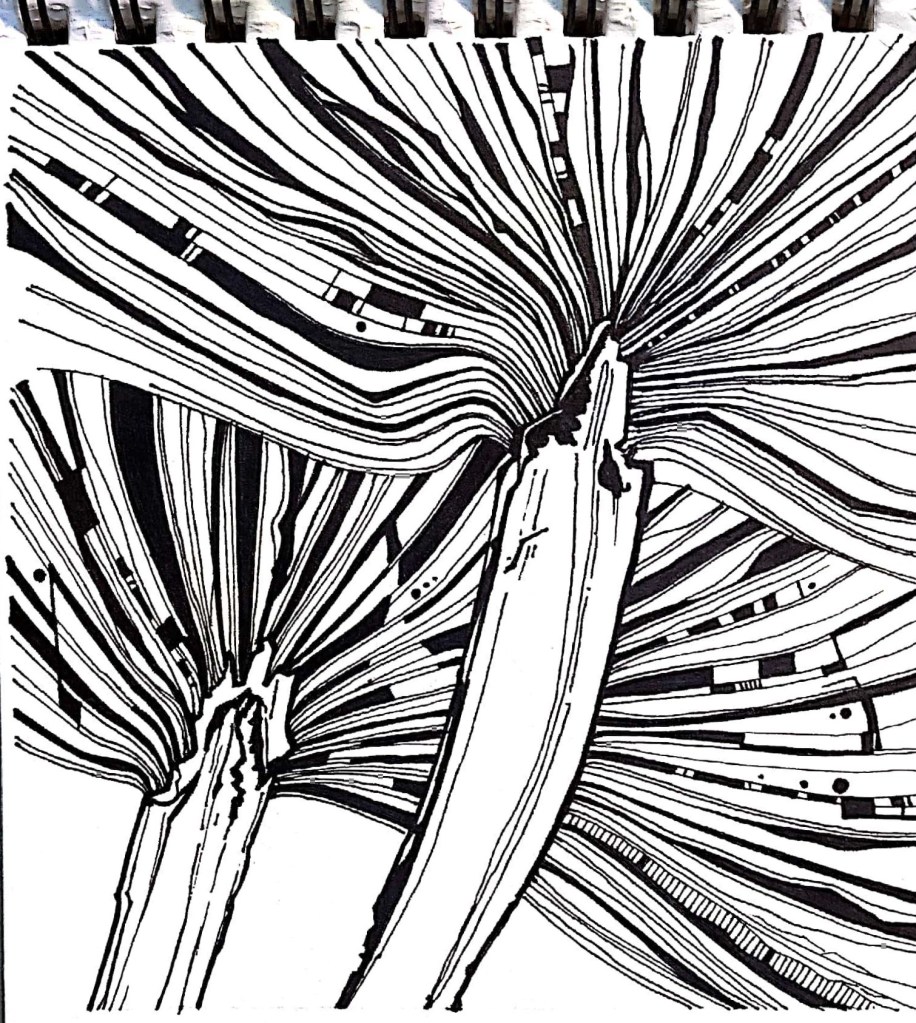
Certain medical researchers find promise in art-based education for cultivating crucial medical competencies: observation, reflection, self-care, and tolerance for uncertainty, ambiguity, and embracing “it is ok to not know”.
Medical researches such as:
“Art as Sanctuary: A Four-Year Mixed-Methods Evaluation of a Visual Art Course Addressing Uncertainty Through Reflection” by Deepthiman Gowda, MD, MPH, MS, Rachel Dubroff, MD, Anna Willieme, MFA, Aubrie Swan-Sein, PhD, EdM, and Carol Capello, PhD, MSEd.
Understanding uncertainty in medicine: concepts and implications in medical education by Kangmoon Kim and Young-Mee Lee.
“It’s Okay to Say ‘I Don’t Know’”: Medical Students Use Transformative Thinking to Cope with Ambiguity and Uncertainty by Virginia Randall and Charisse Villareal.
“It’s okay to not know …” a qualitative exploration of faculty approaches to working with uncertainty by Jenny Moffett, Elizabeth Armitage-Chan, Jennifer Hammond, Sile Kelly, Teresa Pawlikowska
WHAT?
The not knowing sounds like ignorance, and in just about anything – ignorance is a bad thing. I certainly don’t make the connection between this state of openness and the wonder it generates, which I believe is essential for learning. From early in life, I felt I was often praised for knowing and frowned for not knowing. And because of that feeling of being frowned, I grew up being afraid of my ignorance and terrified that it may show. Over time, I conditioned myself to consume knowledge from as many books, movies, documentaries, seniors, and the Internet to appear as “knowledgeable” as I could, while carefully concealing the limits of my understanding. As the stakes are now high in our social survival, what I “know” or appear to know, not only creates my sense of identity but it also establishes my place in the community which determines the access I have to all that I need to survive, both socially and physically.
I am pretty sure that I am not the only one who shares this feeling of “the not knowing”, but there are numerous people out there who feel the same. I want to help those people understand that “embracing the not knowing” is, in fact a strength.

HOW?
This research is not just based on theory, rather I experimented and explored numerous possibilities, tools, and principles to experience and embrace the not knowing. Through these tools and principles, I created immersive and narrative spatial, object, and human interactive experiences that help the spectators to embrace the not knowing.
The principles explored in the process are:
J u x t a p o s i t i o n
P a r a d o x
A m b i g u i t y
U n c e r t a i n t y
M o v e m e n t
T i m e
F r a m i n g
C o m p o s i n g
L a y e r i n g
S e q u e n c i n g
Through this research, I’ve learned that my method starts with a notion of what I want to create, and more importantly, why do I need to create it right now? The why question brings in me a clarity of what is essential and for whom and what reasons do I need to create it? It is vital for me that I create experiences to help people and help them comprehend the world and themselves better with an open-mind.
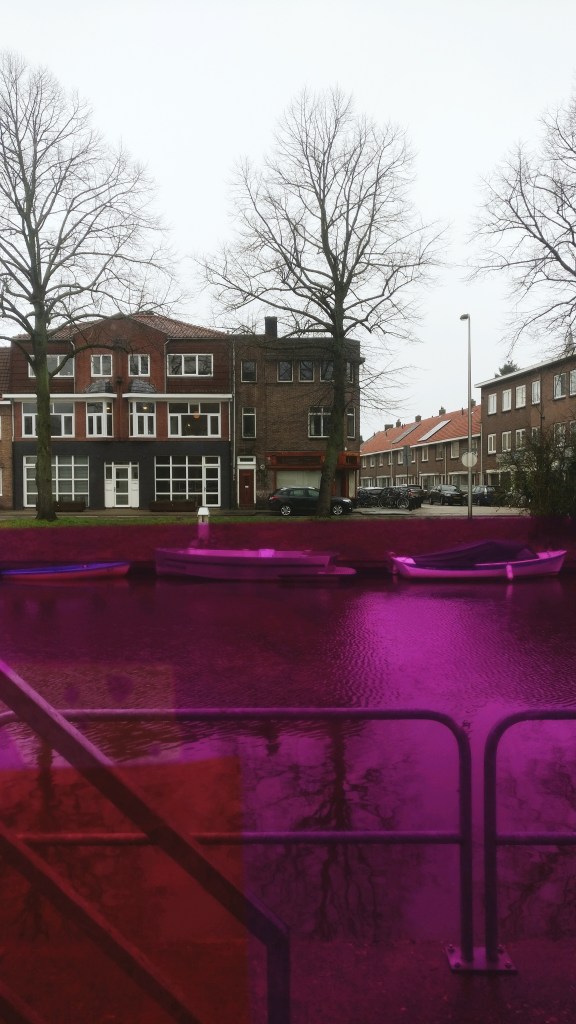
Once a university professor went to a master to inquire about Zen.


The master served a tea.


He poured the professor’s cup full and then kept pouring. The professor watched and then finally exclaimed, Stop! The cup is full.


“Like this cup,” the Zen master said, “you are full of your own opinions and speculations. How can I show you Zen unless you first empty your cup?”
We must know, if only in order to learn not to know. The supreme lesson of human consciousness is to learn how not to know. That is, how not to interfere.
D.H. Lawrence
 DichoLab